
2026 Annual Symposium
Stanford Photonics Research Center
Co-organized withNTT Research

Registration opens soon

September 14 to 16, 2026 · Stanford University

2026 SPRC Annual Symposium

Uniting leaders, scientists, and innovators across industry, academia, and government to drive collaborative breakthroughs in photonics

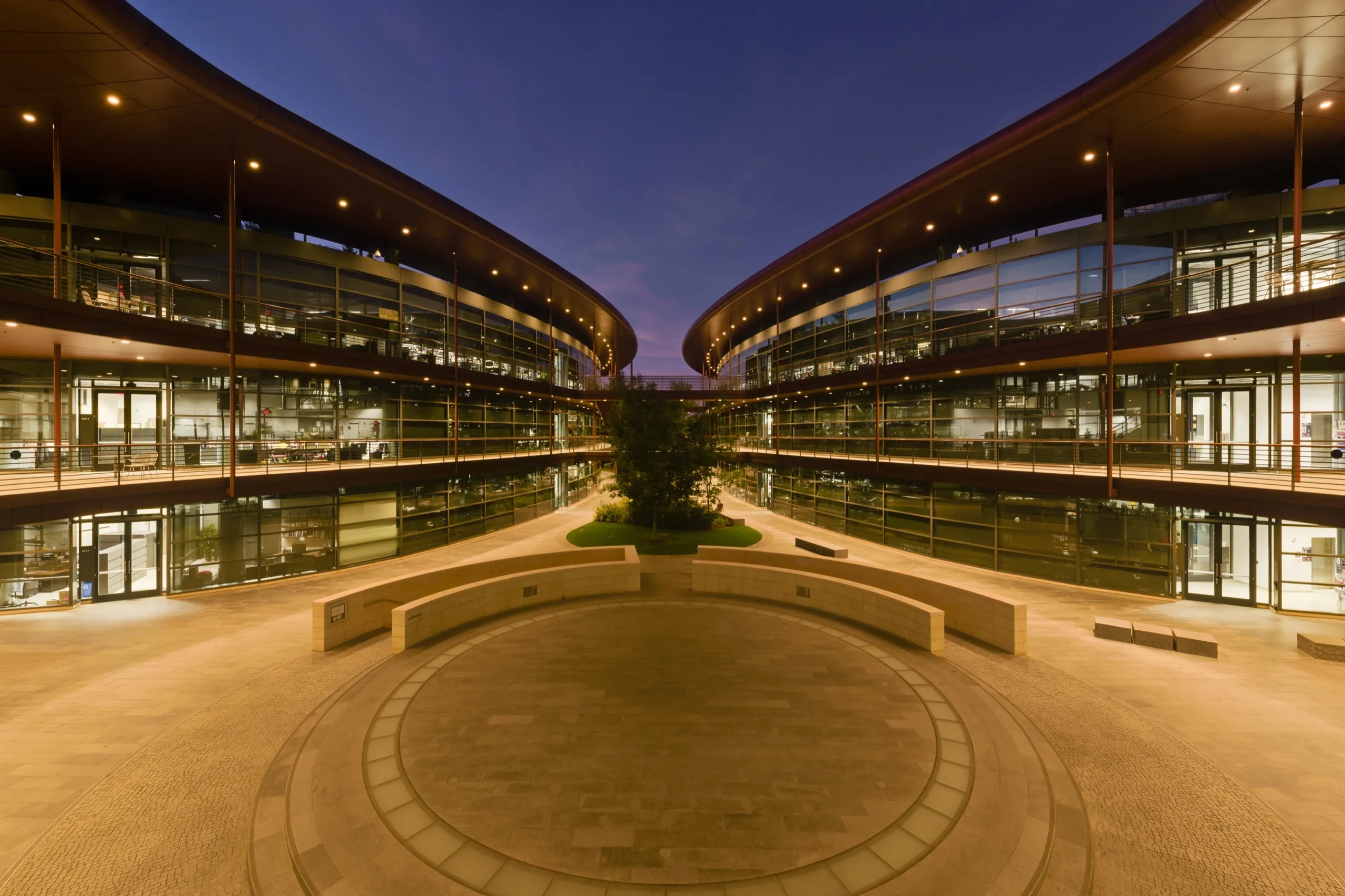
James H. Clark Center, Stanford University. Photo by King of Hearts, CC BY-SA 4.0, resized, cropped, and darkened.

About the Symposium

The 2026 SPRC Annual Symposium is the marquee event for the Stanford photonics community and brings together leaders from academia, industry, and government to explore the future of photonics.

Unlike a conventional technical conference, the Symposium is designed as a forum for high-level exchange and cross-community collaboration. Talks are conversation starters rather than detailed lectures, with the emphasis on strategic insight and shared challenges.

Participation is curated to foster substantive dialogue and collaboration. Attendees can expect perspectives spanning the full photonics ecosystem, including academic researchers, government labs, startups, and global technology companies.

Guiding Themes

The program is organized around two questions.

New Opportunities

What novel applications and solutions are enabled by recent advances in photonics, from biophotonics and optical interconnects to copackaged optics, quantum systems, and metamaterials?

Key Challenges

What technical or organizational barriers, if solved, would unlock transformative new applications and accelerate adoption?

Program

Three days, three sessions each day. Detailed timings will be published closer to the event.

Monday, September 14

  1. 1Future of compute
  2. 2Communications
  3. 3Co-packaged optics

Monday's sessions cover some of the biggest challenges and opportunities for AI datacenters, with topics across energy, computing, communications, and co-packaged optics.
Tuesday, September 15

  1. 1Materials
  2. 2Systems
  3. 3Entrepreneurship and startups
  4. Conference dinner

Tuesday's sessions cover novel materials breakthroughs relevant for new generation packaging, heat management, and optics, as well as system-level challenges. Entrepreneurship and startup showcases are scheduled for the afternoon.

Wednesday, September 16

  1. 1Life sciences and AI
  2. 2Sensing
  3. 3Diagnostics

Wednesday's sessions cover AI-powered and quantum technologies for life sciences, sensing, and medical diagnostics.

Speakers

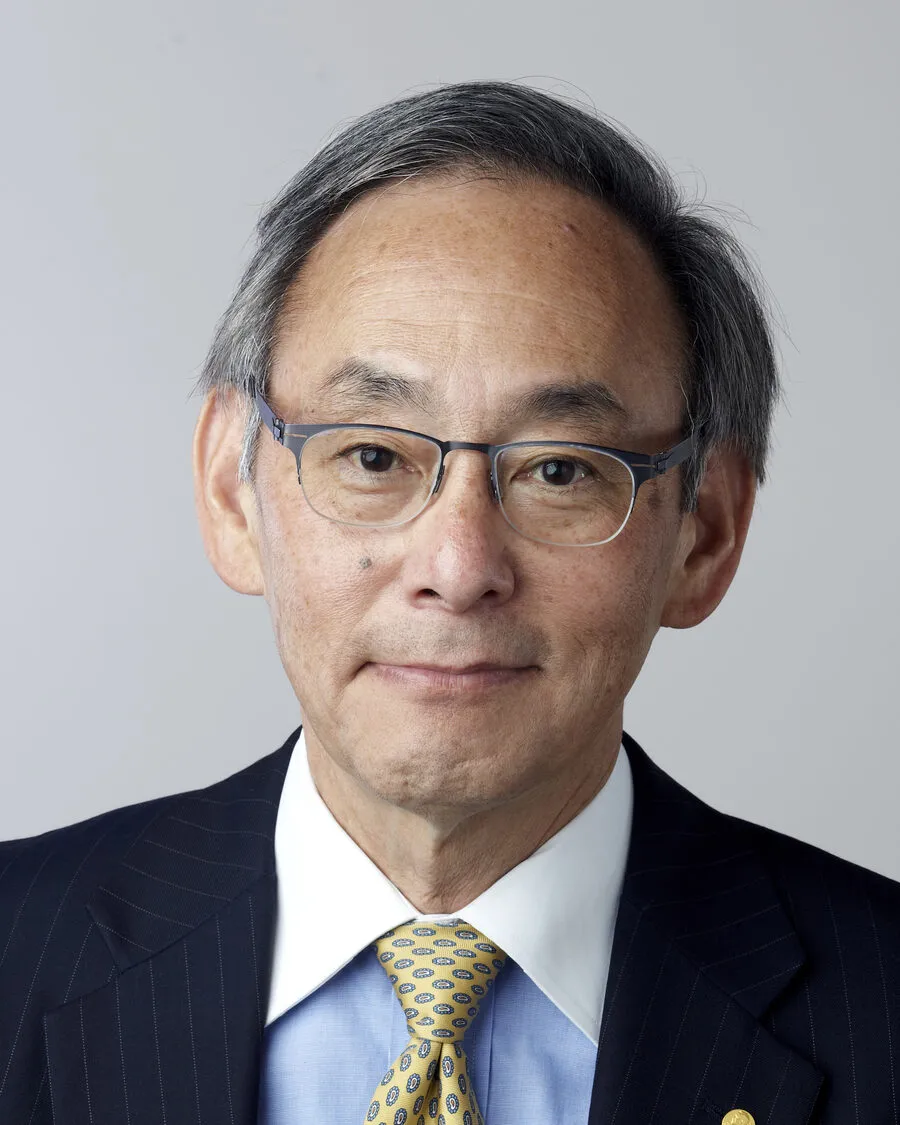
Portrait of Steven Chu

Opening keynote

Steven Chu

Nobel Prize in Physics 1997

Stanford University

Monday, September 14

Portrait: photograph by Royal Society, CC BY-SA 4.0, cropped and resized.

  • Andy Bechtolsheim

    Arista Networks

  • Mark Brongersma

    Stanford University

  • Gaurang Choksi

    University of Arizona

  • Jennifer Dionne

    Stanford University

  • Zoran Jandric

    Seagate

  • Camille Pataki

    Eikon Therapeutics

  • Haisheng Rong

    AMD

  • Jelena Vuckovic

    Stanford University

  • Phil Winterbottom

    Marvell

  • John Wood

    US Navy

More speakers will be announced as the program is finalized.